Presentation Overview
Wednesday, MAY 6, 10:30AM-11:30AM
Nicollet Ballroom
This is part 1 of Bid It Right: Inside Information from the Pros, a series of best practices.
Every project manager who’s run a few air barrier / WRB jobs has a mental list of lessons learned the hard way—where bids go sideways, sequencing breaks down, and “small” scope gaps turn into big schedule and margin hits. This candid panel distills those lessons into practical strategies you can use immediately: the “Three S’s” (Specs, Scope of Work, Schedule), bid language that holds up in GC bid leveling, smart use of allowances vs. hidden contingency, and what really happens when GCs normalize bids and weigh qualifications, exclusions, and alternates. Expect real examples, straight talk, and an interactive Q&A where attendees can bring “what would you do?” scenarios. You’ll leave with takeaways that reduce surprises, tighten scopes, and help protect profit on your next project.
Learning Objectives:
- Use the “Three S’s” (Specs, Scope of Work, Schedule) to prevent the most common bid-to-field breakdowns by spotting spec/detail conflicts early, defining who owns each interface, and aligning sequencing before work starts.
- Protect your number from low-ballers by making risk visible (and comparable) in bid leveling: clearly call out scope gaps/constructability issues, tie them to specific drawings/spec sections, and present them as quantified allowances/alternates rather than buried assumptions—so a GC can’t “wish away” real exposure.
- Build a defensible contingency approach for unknowns, “known-but-not-shown” conditions, and QA/QAP requirements by deciding what belongs in base scope vs. allowance vs. future add, and by avoiding hidden contingency that muddies comparisons and triggers “sharpen the pencil” pressure.
- Get a “fly on the wall” view of how GCs evaluate bids—and how to win on clarity, not just price by understanding how bids are normalized (scope, allowances, qualifications, exclusions, alternates) and how emerging AI-assisted review can quickly flag misalignments between bids, specs, and drawings.
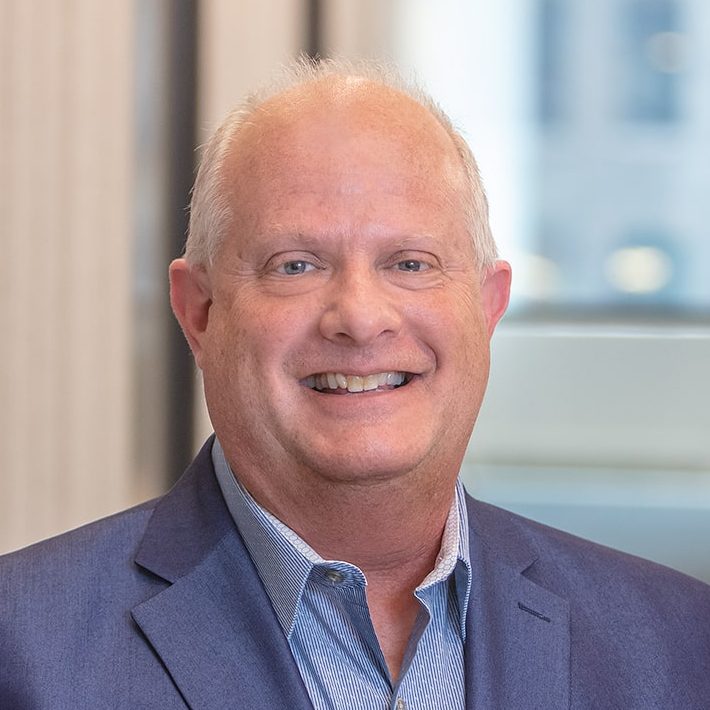
Corey Zussman, AIA, NCARB, ALA (IL, IN, WI) RBEC, RRC, REWC, RWC, RRO, CABS, CDT CQM, CxA+BE, BECxP, LEED AP BD+C Level II Thermographer, QA/QC Vice President, AECOM Hunt
As a forensic architect registered in several states, Corey Zussman has practiced in the construction industry for over 30 years. He specializes in the building envelope, restoration, preservation, life safety, and interior finishes. While working on over 2000 projects, Corey conducts constructability reviews, pre-installation meetings, comprehensive envelope meetings, and construction observations. He has also become known for providing educational opportunities throughout the industry and has produced more than 200 “lessons learned” papers. Topics include building envelope and life safety concerns, enabling Corey to proactively address issues during design review, pre-construction, and construction. In addition, he has over 15 industry articles about building envelope and life safety topics. He is also a frequent presenter at local and national conferences and associations with over 50 AIA accredited presentations.
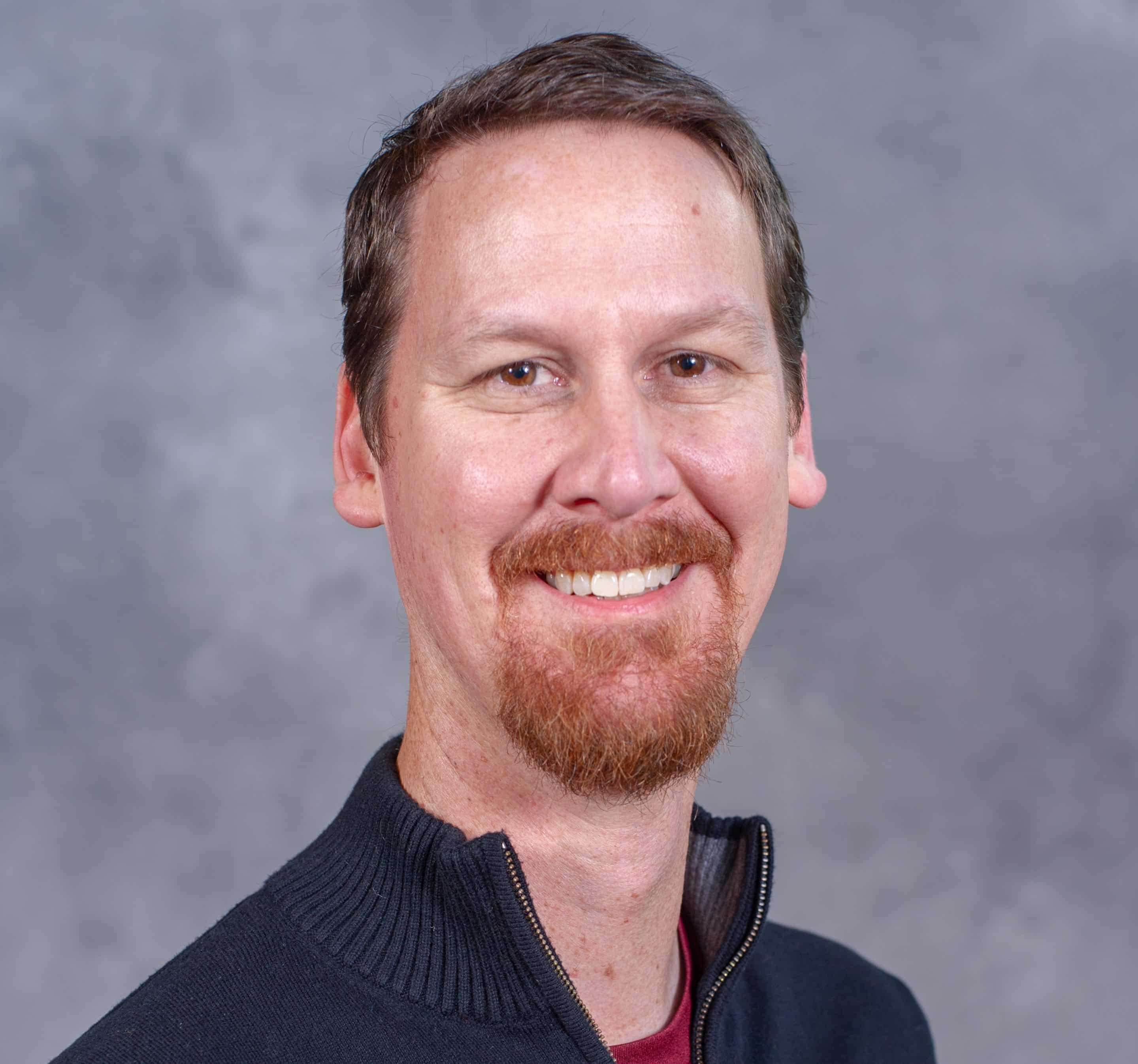
Michael Repka, Hoffman Construction
Michael joined Hoffman Construction Company 16 years ago after practicing architecture for 10 years in Seattle and the surrounding area. In his years of practice, he developed the firm’s Quality Plan and executed internal Quality Reviews as a Project Architect, Project Manager, and Partner.
After joining Hoffman Construction in 2006, he worked on project sites coordinating subcontractors and installations, learning all the ways the details he had drawn as an architect were actually being installed. His architectural background and consistent focus on quality made him an ideal Quality Manager; first on project sites, and now corporately, helping to devise and implement a company-wide Quality system. He believes planning is the key to Quality, and is focused on Design Document Reviews in preconstruction as the earliest opportunity to control Quality on the construction site.
Michael has experience in many building types, high rise towers to below grade transit stations, and with GCCM and Design Build project delivery methods, as both an architect and contractor. A proud building science and sustainability geek, he completed the design and build of his own net-zero house in 2021.
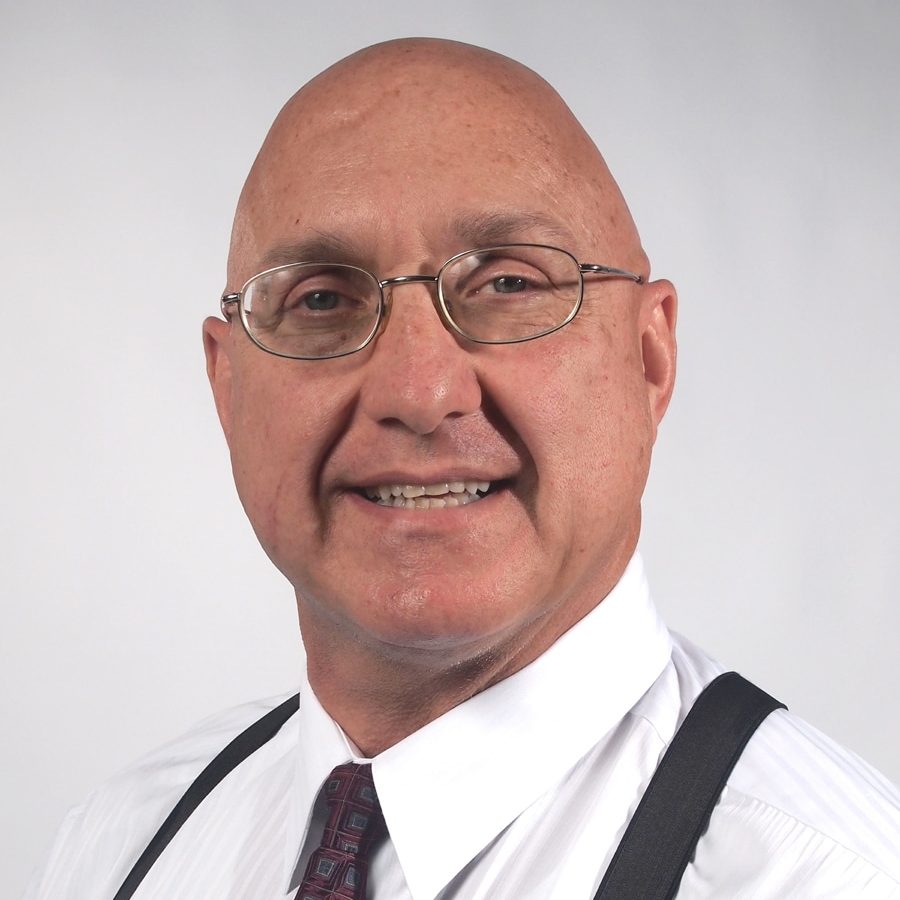
Paul Grahovac, PROSOCO
Paul Grahovac has been active in the construction industry for 30 years –first as a construction defects trial lawyer and later as corporate counsel and an expert in barrier technology. He also spent 10 years in technology development at a national lab.
Matt Giambrone, OCP Contractors
Matt was born into the construction industry as his father successfully ran a masonry company in Cleveland, Ohio, for 35 years. Matt became an apprentice bricklayer in 2001, successfully completed training, and became a journeyman. In 2009, Matt studied blueprint reading and estimates by hand. In 2010, Matt became a Level 3 Certified ABAA installer in fluid-applied, self-adhered, and spray foam. With the passing of his father in 2013, Matt started at OCP Contractors, starting up their division 7 group. In 2016, Matt became the Chairman of the Contractors; a few years later, he became a Board of Director for the ABAA, and in 2021, Matt also became a member of the Executive Committee.