
Presentation Overview
Tuesday, MAY 5, 8:30AM – 9:30AM
Lakeshore Ballroom
This seminar explores how seemingly minor design and construction flaws can compound into major building and HVAC system failures, often with costly consequences. While individual defects may appear insignificant in isolation, their combined effect across multiple systems frequently leads to catastrophic moisture problems, degraded indoor air quality, premature equipment failure, and diminished building resilience.
Drawing on forensic engineering investigations, the session presents real-world case studies that demonstrate how errors in coordination between the building envelope and HVAC systems can undermine moisture management strategies. These cases highlight how the lack of integrated design review, inadequate field oversight, poorly understood continuous air and thermal barriers, and the absence of HVAC capacity control or supplemental dehumidification can contribute to systemic failure, particularly in hot, humid, and mixed climate zones.
The presentation identifies critical defects such as unsealed penetrations in ceiling planes, misplaced vapor retarders, and ductwork located in unconditioned spaces, each contributing to latent moisture accumulation and mold growth. In some cases, air conditioning systems operated as designed with capacity control, but within flawed enclosures and unbalanced air distribution systems that could not manage moisture loads or prevent air leakage. In others, misapplied controls or improper setpoints worsened envelope weaknesses.
Attendees will take away actionable insights to help project teams identify vulnerabilities early in the design and construction process and apply practical, risk-reducing strategies before occupancy. Emphasis is placed on the critical interface between envelope assemblies and mechanical systems, the importance of design-phase diagnostics, and the value of post occupancy feedback.
As extreme weather, energy volatility, and resiliency requirements become more central to building performance, these lessons are vital. This session equips professionals with the tools and understanding needed to prevent moisture-driven failures and build more resilient, durable structures.
Learning Objectives:
- Recognize how compounding design and construction flaws contribute to major building and HVAC system failures affecting moisture control and resilience.
- Interpret case study evidence to identify key failure mechanisms and understand the role of building envelope and HVAC interactions in catastrophic system outcomes.
- Apply forensic insights to strengthen early-phase design reviews, improve construction oversight, and implement risk mitigation strategies for climate and energy resilient buildings.
- Identify critical building code requirements related to air sealing and minimum air leakage performance for building enclosures.
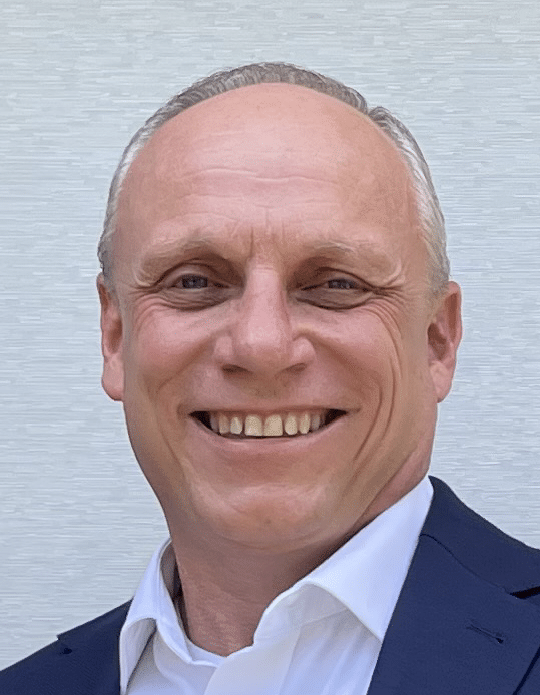
Donald B. Snell, Building Forensics Group
Donald B. Snell, PE, is a senior forensic engineer and vice president at Building Forensics Group. He is licensed in Florida, Pennsylvania, Georgia, Virginia, and South Carolina. In Florida, he also holds state certifications in mechanical contracting and as a mold assessor. He is a Certified Indoor Environmental Consultant (CIEC) with the American Council for Accredited Certification and a Certified Indoor Air Quality Professional (CIAQP) with the Association of Energy Engineers.
Mr. Snell is an active member of ASHRAE. He served as standards subcommittee chair for Technical Committee 1.12, Moisture Management in Buildings (2018–2025), and is a member of the National Council of Examiners for Engineering and Surveying (NCEES).
His practice focuses on HVAC design and performance; prevention and diagnosis of moisture problems; building air leakage testing and diagnostics; indoor air quality assessment; and mitigation strategies for HVAC and IAQ deficiencies. Through case work across climates and building types, he has found that moisture and indoor air quality failures rarely stem from a single cause. Instead, they result from interacting conditions such as HVAC and building envelope design and construction defects, discontinuities between scopes of work, and geometric complexities introduced during project execution. These issues often require coordinated and multidisciplinary solutions to resolve effectively.