Presentation Overview
Wednesday, MAY 6, 1:00PM-2:00PM
Lakeshore Ballroom
The Energy Code does not identify where within the assembly the air barrier is to be installed. So, that is left up to the design professional based on the project type, geographic location, and their experience.
So where should the air barrier be placed within enclosure assemblies?
Uncontrolled airflow within a building enclosure can cause damage to building components. Though our harsh winter conditions in Minnesota and areas our firm services, we have had the unique opportunity to see through our forensics investigations, monitoring of existing buildings, and extensive design consultation, areas of concern to designers, contractors, and building owners. In addition, how to prevent and remediate problems will be outlined.
Distance from heat sources, air cavities, air movement within assemblies through uncontrolled flow, and lack of interior air barriers are all considerations that should be taken into account when designing exterior wall assemblies and transitional details, especially between plane changes. When professional experience is absent or solutions are not included due to budget constraints, moisture damage still occurs in code compliant extreme cold climate buildings. Through experienced design by an Architect, upfront review and analysis from a consultant, and knowledgeable construction by a contractor, proactive measures to prevent building damage can be incorporated into construction.
Learning Objectives:
- Overview of dew point calculations and what they represent.
- How to identify areas of concern by relating it to the distance from the conditioned space and air flow to or within areas of concern by utilizing thermal modeling examples.
- What can happen if interior air barriers are not implemented (illustrated through use of case studies)?
- Review how a building can be monitored, and highlight data collected form an existing to illustrate the theory behind moisture formation and how it occurs, typically in non-visible areas.

Ryan Krug, Lerch Bates
Ryan specializes in building enclosure consulting, commissioning (BECx), and forensic evaluation, supporting both private and government clients. He partners with project teams from design through construction to optimize enclosure performance, address risks, and ensure continuity of control layers. With expertise in architectural, HVAC, and structural coordination, Ryan develops cost-effective, constructible solutions that balance performance, durability, and project delivery goals.
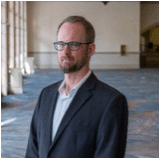
Ryan Kohl, Lerch Bates
Ryan provides building enclosure consulting for both public and private sector projects, emphasizing early collaboration to deliver durable, low-maintenance structures. He works with project teams from conception through completion, ensuring enclosure systems align with aesthetic and performance goals. His focus is on building a strong design foundation and maintaining synergy between architecture, systems, and construction execution.